February 6, 2026

Cholesterol: Friend, Foe, or Just Badly Misunderstood?

Metabolic Health
Cholesterol
Optimal health

Cholesterol has had a terrible PR run. For decades it’s been blamed for heart disease, stripped out of foods, and treated as something to suppress at all costs. Many people agonise over a single blood test number (total cholesterol usually), convinced it tells the full story about their health. But I can assure you - it doesn’t.

Key points

  • Cholesterol is essential for human biology and health; problems arise not from cholesterol itself, but from the metabolic and inflammatory environment it’s operating in.

  • LDL and HDL are transport particles, not ‘bad’ and ‘good’ cholesterol, and standard cholesterol tests miss key risk factors like inflammation, oxidation and insulin resistance.

  • Supporting blood sugar balance, reducing chronic inflammation, caring for the liver and addressing lifestyle factors does far more for cardiovascular health than simply trying to lower cholesterol numbers.

Cholesterol has had a terrible PR run. For decades it’s been blamed for heart disease, stripped out of foods, and treated as something to suppress at all costs. Many people agonise over a single blood test number (total cholesterol usually), convinced it tells the full story about their health.

But I can assure you - it doesn’t.

Cholesterol is not something that has ‘gone wrong’ in the modern body. It’s a fundamental biological substance, tightly regulated, and deeply involved in repair, hormone production and cellular function. The real issue is not cholesterol itself, but context - what’s happening metabolically and inflammatory-wise in the body that cholesterol is responding to. 

I’d also highlight that the demonising of cholesterol, and the push for very low levels, directly correlates with the huge spike in neurodegenerative disease prevalence. This is because the brain is actually made from cholesterol, and without it our brain cannot function or repair itself properly. 

Let’s slow it down and look at what cholesterol actually is, how it works, and when it does (and doesn’t) matter.

What is cholesterol?

Cholesterol is a waxy, fat-like molecule that your body needs to function. Every cell membrane relies on cholesterol for structure and fluidity, particularly brain cells. Without cholesterol, nerve signalling, hormone production and digestion would quite literally fall apart.

It’s also the building block for:

  • Steroid hormones (oestrogen, progesterone, testosterone, cortisol)
  • Vitamin D
  • Bile acids, which allow us to digest and absorb fats and fat-soluble vitamins

Crucially, around 80-90% of the cholesterol in your body is made by your liver. Only a small proportion comes from food. That alone should tell us that cholesterol is not a dietary accident, but a carefully regulated internal system. If cholesterol were inherently harmful, evolution would have dealt with it a long time ago!

The different types of cholesterol (and why the names are misleading)

What we call ‘cholesterol’ on a blood test is actually a set of lipoproteins, transport particles that carry cholesterol and fats around the bloodstream.

LDL (low-density lipoprotein AKA more fat than protein in this combined molecule)
Often labelled the ‘bad’ cholesterol, LDL’s job is to deliver cholesterol to tissues that need it. This includes tissues undergoing repair, hormone-producing glands, and the immune system during periods of stress or inflammation. LDL isn’t harmful by default. It’s responsive.

HDL (high-density lipoprotein AKA more protein than fat)
HDL is often called the ‘good’ cholesterol because it helps transport excess cholesterol back to the liver for recycling or disposal. Higher HDL is generally associated with better metabolic health, but again, context matters.

Total cholesterol
This is simply a calculation. On its own, it tells us very little.

What standard tests don’t usually show is particle size, oxidation, or how LDL is behaving in an inflammatory environment - which is where the real risk lies. For an accurate picture of your cardiac risk and lipid handling you’d want a test like this or this

When cholesterol can go wrong

Cholesterol doesn’t cause cardiovascular disease in isolation. It becomes a problem when it’s involved in a broader picture of metabolic dysfunction and chronic inflammation.

For cholesterol to contribute to plaque formation, the lining of the blood vessels must already be damaged. That damage is driven by factors such as:

  • Chronic inflammation
  • Insulin resistance and blood sugar dysregulation
  • Oxidative stress
  • Smoking
  • Nutrient deficiencies
  • Long-term psychological stress

In these conditions, LDL particles are more likely to become oxidised and be smaller and denser - forms that are more likely to contribute to atherosclerosis (chronic inflammation-driven damage and repair of arteries).

This is why someone can have ‘normal’ cholesterol and still be at high cardiovascular risk, while another person has elevated LDL but excellent metabolic markers and low inflammation.

Cholesterol is not the fire, but in the wrong conditions it can become the kindling that is then ignited by one of the sparks above.

When we do need to pay attention

Cholesterol becomes more clinically relevant when it appears alongside other warning signs, such as:

  • High triglycerides
  • Low HDL
  • Elevated fasting glucose or HbA1c
  • Markers of inflammation
  • Strong family history of early cardiovascular disease

Even then, the most useful question is not How do we lower cholesterol? but Why is the body handling cholesterol this way?

Lowering a number without addressing the underlying drivers doesn’t equal improved health.

What actually supports healthy cholesterol

From a functional medicine perspective, ‘healthy cholesterol’ is really shorthand for a healthy metabolic and inflammatory environment.

That means focusing on:

  • Stable blood sugar. Repeated glucose spikes drive inflammation and alter lipid patterns far more than dietary cholesterol ever will.
  • Reducing chronic inflammation. This includes addressing gut health, nutrient status, sleep quality, stress load and exposure to ultra-processed foods.
  • Supporting liver function. The liver is central to cholesterol production, recycling and bile flow. If it’s overwhelmed, cholesterol handling suffers.
  • Appropriate fats. Traditional fats - olive oil, butter, ghee, oily fish - behave very differently in the body compared to industrial seed oils, which are prone to oxidation.
  • Lifestyle factors. Movement, sleep, stress management and not smoking all have a measurable impact on lipid patterns.

Practical top tips

  • Don’t fixate on total cholesterol in isolation
  • Look at triglycerides and HDL together, they’re often more informative
  • Prioritise blood sugar regulation before worrying about fat intake
  • Eat real, minimally processed food
  • Don’t fear cholesterol-rich foods like eggs - for most people, they’re nutritionally valuable
  • Address stress seriously; cortisol and cholesterol are biochemically linked
  • If cholesterol is high, ask why before trying to suppress it

Cholesterol isn’t the enemy it’s been made out to be. It’s a biological tool, and one that reflects what’s happening beneath the surface. When we stop trying to silence it and start interpreting it properly, it becomes a useful piece of information rather than something to fear.

And yes - eggs are still very much allowed! 🍳

Author

Phoebe Liebling

Phoebe Liebling is a registered nutritional therapist with a passion for helping people unlock their best health. With over 10 years of experience in clinical practice, she combines science-backed nutritional strategies with a compassionate, individualised approach to well-being.

Continue reading

Other posts you might like...

February 6, 2026

What Your Blood Pressure Is Trying to Tell You

Optimal health
Cardiovascular
Cardiovascular Disease

Blood pressure is one of those health markers that everyone’s heard of but that’s rarely actually explained properly. So let’s break it down in a way that actually makes sense, and more importantly, talk about what you can do to support healthy blood pressure naturally.

Author
Phoebe Liebling
read more
January 24, 2026

The Hormone Disruptor You Drink Every Day

Optimal health
Fertility
Hormones

One of the most overlooked hormonal foundations of all? Water!

Author
Phoebe Liebling
read more
January 7, 2026

Beating the January Slump

Optimal health
Depression
Anxiety
Circadian Rhythm

The answer might seem a bit left-field, but one of the most efficient ways of combating this is to be intentional about creating small, regular doses of joy.

Author
Phoebe Liebling
read more
January 7, 2026

How to Actually Achieve Your New Years Goals

Diet
Optimal health
Nervous system
Weight Management

The part most people don’t realise is that motivation is not the foundation of long-term change, structure is. And thankfully, neuroscience and behavioural science give us a very clear framework for how to build goals that actually stick.

Author
Phoebe Liebling
read more
January 7, 2026

8 Fabulous Festive Recipes

Optimal health

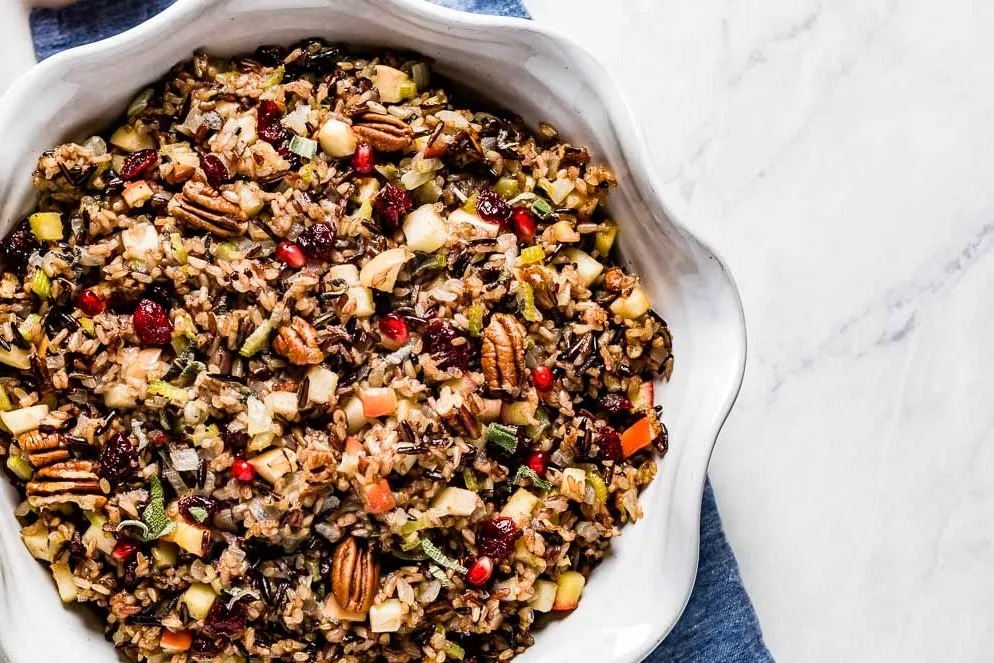
I’ve pulled together a collection of my original nourishing, celebratory dishes that are perfect for sharing… or sneaking a cheeky portion before anyone else notices.

Author
Phoebe Liebling
read more
January 7, 2026

Human Being Over Human Doing

Nervous system
Optimal health
Anxiety

Parties, shopping, cooking, travelling… the festive season has a way of turning time on its head, and trying to cram in double the amount of activities we’re used to. And while the sparkle and cheer are wonderful, it’s easy to forget that one of the most healing acts we can gift ourselves is actually just rest!

Author
Phoebe Liebling
read more
January 7, 2026

The Curse of ‘Gut Healthy’ Foods

Optimal health
Digestion

My key message for you today is that gut health is about diversity, variation over time and balance, not overload.

Author
Phoebe Liebling
read more
January 4, 2026

Why Creatine Deserves a Place in Women’s Health (Not Just the Gym)

Hormones
Perimenopause
Optimal health

If you were sitting opposite me in clinic and asked me to recommend you one supplement that could genuinely support your energy, training, hormones and long-term health - creatine would be up at the top of the list.

Author
Phoebe Liebling
read more
November 2, 2025

Why That Glass of Wine Hits Harder Sometimes

Optimal health
Metabolic Health

Alcohol is so normal in our culture that it’s easy to forget it’s a chemical that has very real biological effects. Here’s a simple, science-backed breakdown of what alcohol actually does in your body - and why it affects your mood, sleep, hormones and recovery.

Author
Phoebe Liebling
read more
October 24, 2025

Adaptogens: Your Secret Weapon Against Hormonal Chaos

Hormones
Optimal health

Hormonal change isn’t just something that happens at puberty, during/after pregnancy or during the menopause. It happens across our entire lives - sometimes gradually, sometimes all at once - and its impact runs far deeper than we often acknowledge.

Author
Phoebe Liebling
read more
October 11, 2025

How to Avoid the Dreaded Winter Slump

Optimal health
Circadian Rhythm
Nervous system

Cooler weather and shorter days can often have us craving comfort food or struggling to stick to our usual workout routines. This isn’t a lack of motivation or a busier schedule - it’s your body responding exactly as it should!

Author
Phoebe Liebling
read more
September 4, 2025

Why ‘Boosting’ Your Immune System is a Bad Idea

Nervous system
Optimal health

Is boosting your immune system actually possible? And a more important question: should we even be trying to do it in the first place?

Author
Phoebe Liebling
read more
September 4, 2025

The Nutrients You Need to Hit September Running

Optimal health
Nervous system

In this post, I’m going to outline the nutrients that matter most, how to spot potential deficiencies and practical ways to ensure everyone in the family (including you!) stays energised, focused, and resilient this autumn.

Author
Phoebe Liebling
read more
September 4, 2025

Reset Your Dopamine And Find Lasting Motivation

Optimal health
Nervous system
Circadian Rhythm

Dopamine is often referred to as the brain’s feel-good chemical, but its role goes far deeper than just producing pleasure.

Author
Phoebe Liebling
read more
August 5, 2025

Five Daily Habits That Can Transform Your Health For Free

Optimal health
Nervous system
Circadian Rhythm

There’s a real misconception that being ‘healthy’ requires major effort - an overhauled diet, an intense fitness plan or the perfect supplement regime. But the truth is, sustainable health is often built on simple, consistent habits.

Author
Phoebe Liebling
read more
July 31, 2025

How to Reset Jet Lag (and Actually Feel Human Again)

Optimal health
Nervous system
Circadian Rhythm

How we experience jet lag isn’t just about how far we’ve flown or how many time zones we’ve crossed - it also has a lot to do with our baseline stress resilience.

Author
Phoebe Liebling
read more
July 31, 2025

5 Refreshing Recipes to Keep You Hydrated in the Heat

Optimal health

We all know water is the go-to for quenching our thirst, but on scorching summer days, a little creativity can make hydration far more enjoyable - and actually more effective.

Author
Phoebe Liebling
read more
July 22, 2025

Travel Better: How to Stay Well While You Fly

Nervous system
Circadian Rhythm
Optimal health

Travelling can be wonderful - a chance to explore, unwind, and take a break from routine. But let’s be honest: the journey itself? Not always so kind on the body!

Author
Phoebe Liebling
read more
July 22, 2025

Why Travel Might Be the Best Time to Rebuild Your Routine

Circadian Rhythm
Optimal health
Nervous system

Travelling might throw your body off balance - but it’s also the perfect opportunity to reset, recharge, and rebuild your routine from the ground up.

Author
Phoebe Liebling
read more
July 22, 2025

Why Everyone’s Talking About Collagen - And Why You Should Be Too

Optimal health

Collagen is having a moment. Search the word on Google and you’ll be met with an avalanche of articles, product pages and glowing recommendations. But what exactly is collagen - and why has it suddenly become the poster child for everything from glowing skin to joint health?

Author
Phoebe Liebling
read more
July 22, 2025

Preventing and Reversing Perimenopausal Hair Loss

Hormones
Optimal health
Nervous system

Experiencing more hair in your brush or the shower drain? Perimenopausal hormone shifts can lead to thinning hair - but with the right nutrition, scalp care, and lifestyle changes, you can support regrowth and keep your hair healthy.

Author
Phoebe Liebling
read more
April 28, 2025

Non-Toxic Sunscreens & How to Maximise Your Vitamin D

Optimal health

How to ditch the toxins - and keep the glow.

Author
Phoebe Liebling
read more
April 28, 2025

How to Solve Pregnancy and Postpartum Hair Loss

Hormones
Pregnancy
Postpartum-recovery
Optimal health

Learn the science behind pregnancy and postpartum hair loss, and discover expert tips for natural regrowth.

Author
Phoebe Liebling
read more
April 7, 2025

Underfueling and Overexercising: How to Recover from Hormonal Burnout

Hormones
Optimal health

The ‘hustle culture’ of modern life can wreak havoc on our endocrine system. Why does this happen? And, more importantly, what can you do to recover?

Author
Phoebe Liebling
read more
March 24, 2025

What Actually Is Leaky Gut & How Do We Fix It?

Digestion
Optimal health

The term "leaky gut" has been gaining a lot of attention in the wellness world over the last few years - in this post I’ll guide you through how to identify whether this is what you are experiencing, and if so, how to restore your gut to optimal health and function.

Author
Phoebe Liebling
read more
March 24, 2025

Debunking the Myths: The Truth About "Weight Loss" Foods

Weight Management
Weight loss
Optimal health

Let’s break down the most hyped weight-loss foods, debunk the myths, and focus on what really works.

Author
Phoebe Liebling
read more
March 24, 2025

Eat + Drink Your Way to Fabulously Glowing Skin

Hormones
Digestion
Optimal health
Diet

When it comes to radiant, clear skin, yes, your skincare routine matters - but what you put into your body is actually more important.

Author
Phoebe Liebling
read more
March 19, 2025

How to Hack the Food Matrix to Eat Smarter and Feel Satisfied Longer

Weight loss
Optimal health
Weight Management

Managing your weight, balancing your blood sugar, and creating a positive relationship with food - all without calorie counting? Yes, it’s possible! Let me introduce you to the wonders of The Food Matrix.

Author
Phoebe Liebling
read more
January 30, 2025

The Key to Balanced Blood Sugar: Foods, Habits and Why It Matters

Nervous system
Energy levels
Optimal health
Weight Management
Hormones

Master the Basics of Blood Sugar Balance

Author
Phoebe Liebling
read more
January 30, 2025

How Epsom Salt Baths can balance your hormones, ease tension and improve your sleep and digestion.

Hormone health
Optimal health
Musculoskeletal

Epsom salt baths help balance hormones, ease tension, improve sleep, and support digestion. Discover their benefits and how to use them effectively.

Author
Phoebe Liebling
read more

Related posts

Read more on this topic