February 6, 2026

What Your Blood Pressure Is Trying to Tell You

Optimal health
Cardiovascular
Cardiovascular Disease

Blood pressure is one of those health markers that everyone’s heard of but that’s rarely actually explained properly. So let’s break it down in a way that actually makes sense, and more importantly, talk about what you can do to support healthy blood pressure naturally.

Key points

  • Blood pressure is dynamic, not fixed - it reflects how hard your heart and blood vessels are working and changes throughout the day in response to stress, sleep, movement, hydration and food. Problems arise when it stays consistently too high, often as a sign of deeper imbalance rather than a standalone issue.

  • High blood pressure is rarely ‘just about salt’ - it’s commonly influenced by chronic stress, blood sugar dysregulation, inflammation, poor sleep, low potassium and magnesium intake, and lifestyle factors that keep the nervous system stuck in fight-or-flight. Also insufficient salt intake can cause reactive hypertension, we need salt!!
  • Healthy blood pressure is highly responsive to daily habits - nourishing foods, mineral balance, regular gentle movement, good sleep, stress management and (where appropriate) targeted supplements can all help support the body in bringing blood pressure back into a healthier range.

Blood pressure is one of those health markers that everyone’s heard of but that’s rarely actually explained properly. So let’s break it down in a way that actually makes sense, and more importantly, talk about what you can do to support healthy blood pressure naturally.

First Up: What is blood pressure?

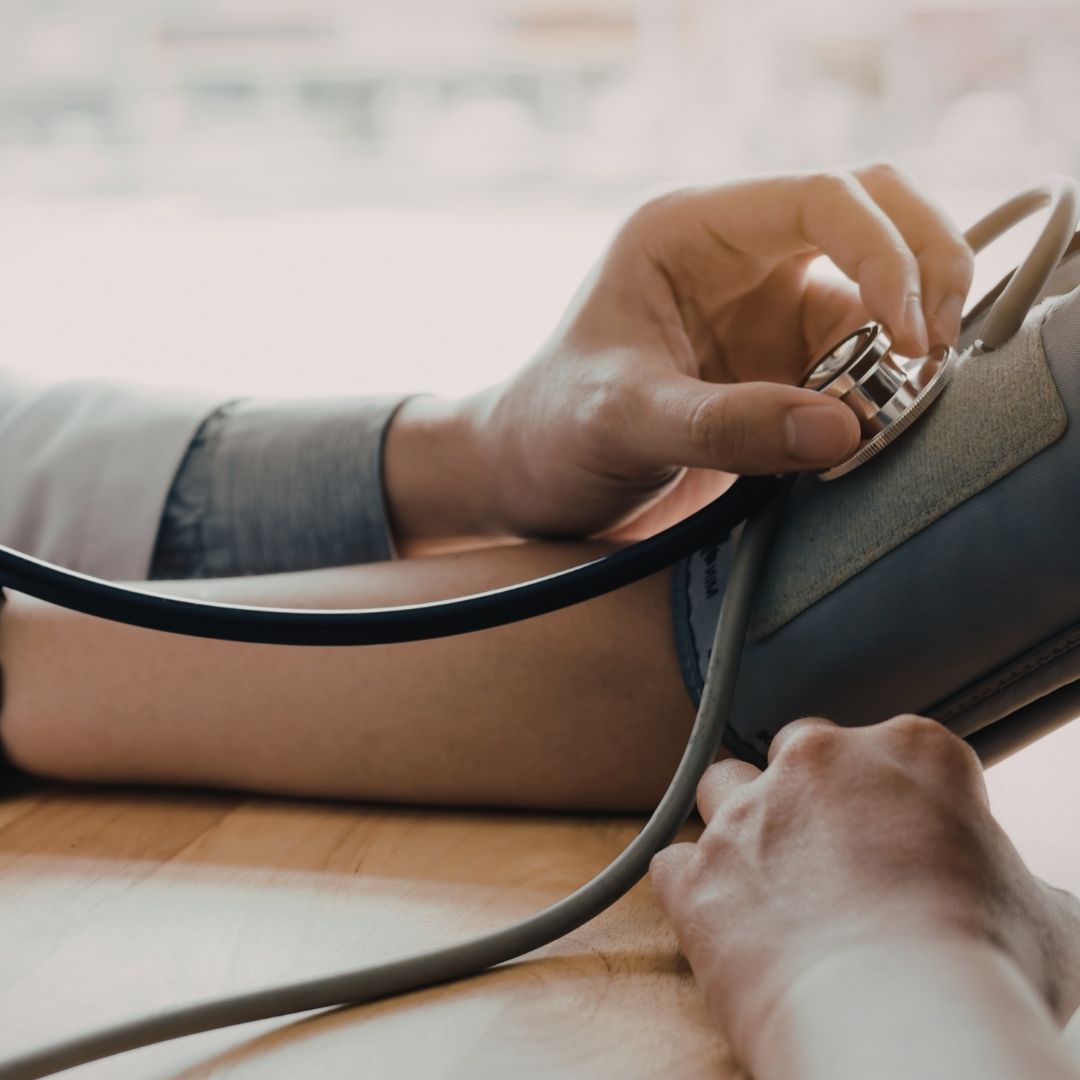
Blood pressure is simply the force of your blood pushing against the walls of your arteries as your heart pumps. It’s measured using two numbers:

  • Systolic pressure (the top number): the pressure when your heart contracts and pumps blood out
  • Diastolic pressure (the bottom number): the pressure when your heart relaxes between beats

A reading of around 120/80 mmHg is generally considered healthy for most adults, although ‘normal’ can vary depending on age, health history and individual context.

A key point here is that blood pressure isn’t static. It changes throughout the day depending on stress, movement, sleep, hydration and even how recently you’ve eaten. Problems arise when it stays consistently too high (hypertension) or, less commonly, too low (hypotension).

What goes wrong with blood pressure?

From a functional medicine perspective, high blood pressure isn’t a condition in isolation - it’s often a signal that something else is out of balance.

Common contributors include:

  • Chronic stress and an overactive nervous system
  • Poor blood sugar regulation and insulin resistance
  • Inflammation and oxidative stress
  • Stiff or damaged blood vessels
  • Excess sodium combined with low potassium and magnesium intake, OR insufficient sodium that then triggers stress hormone release to raise blood pressure
  • Poor sleep, sedentary lifestyle, alongside over-training or excessive cardio in some cases

When blood pressure remains high over time, it puts extra strain on the heart and blood vessels, increasing the risk of cardiovascular disease, stroke and kidney issues. 

But there is a lot we can do to improve blood pressure!

Supporting Healthy Blood Pressure Naturally

1. Diet: what you eat really matters

Rather than focusing on restriction, the goal is to nourish the blood vessels, support mineral balance, and stabilise blood sugar.

Key dietary principles:

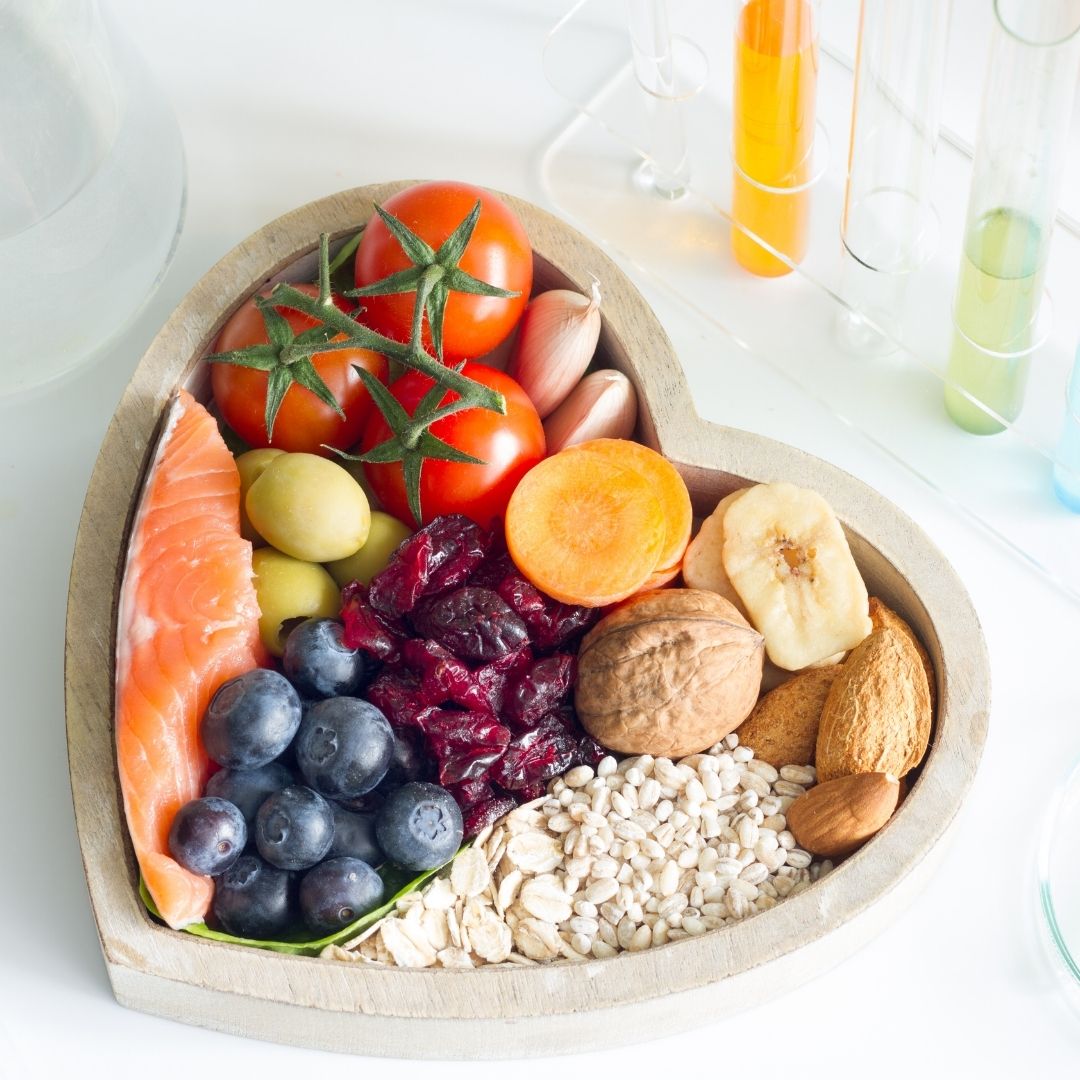
  • Eat plenty of vegetables, especially leafy greens, beetroot, courgettes and broccoli - these provide potassium, magnesium and natural nitrates that support blood vessel relaxation
  • Balance your plate with protein, healthy fats and fibre at every meal to avoid blood sugar spikes
  • Choose whole, unprocessed foods as much as possible - ultra-processed foods are often high in isolated sodium and refined carbohydrates whilst being low in protective nutrients
  • Include healthy fats, such as olive oil, avocados, nuts, seeds and oily fish

Salt is not the enemy it’s often made out to be, but quality and balance matter. Many people get too much refined salt from processed foods, while not enough potassium-rich foods to balance it. But if you eat a whole food diet you will need to add salt to your food to achieve your requirements.

Helpful foods to include regularly:

  • Oily fish (salmon, sardines, mackerel)
  • Beans and lentils
  • Berries
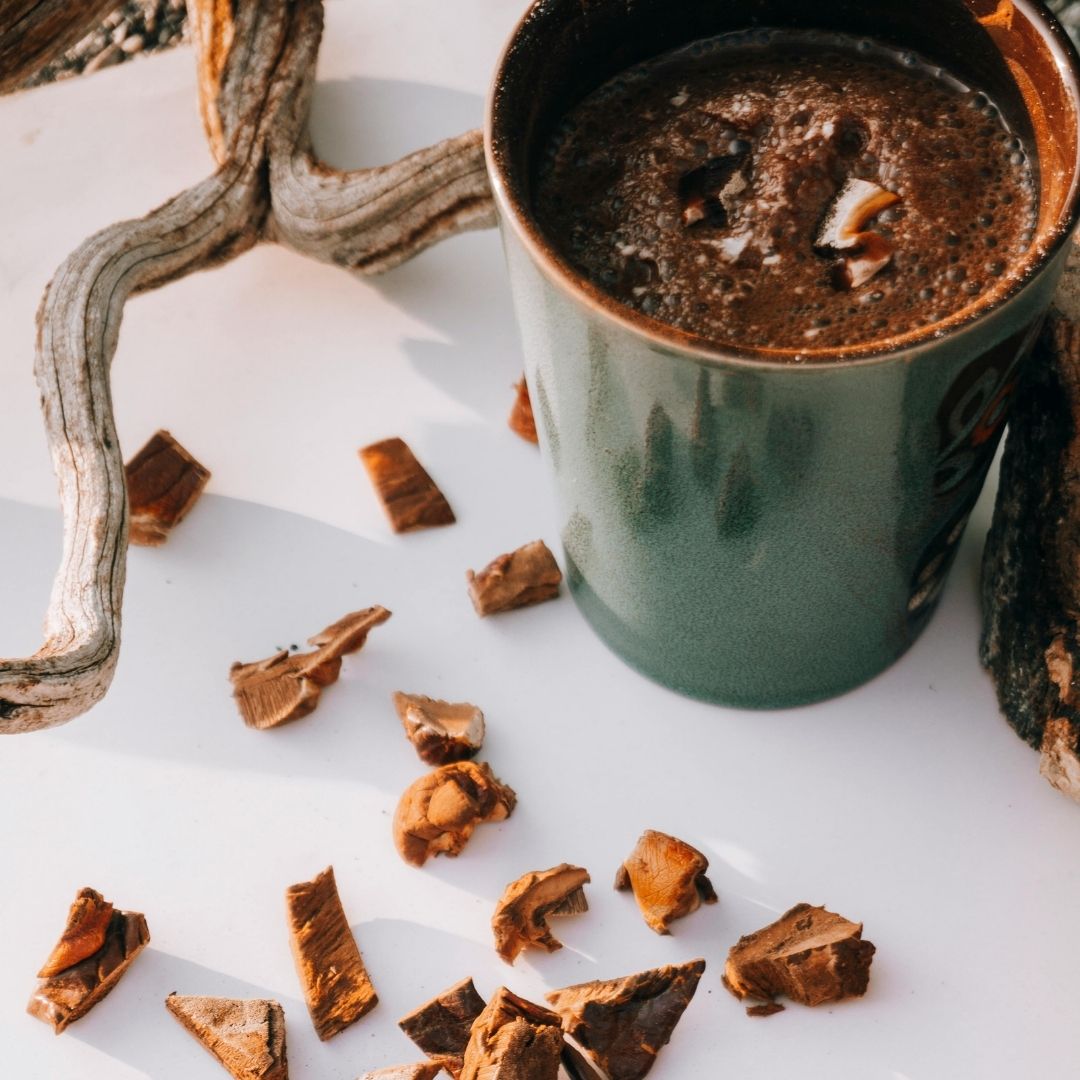
  • Dark chocolate (70%+ cocoa) or even better raw and ceremonial cacao
  • Natural yoghurt or kefir (if tolerated)

2. Lifestyle: calm the nervous system

Stress plays a huge role in blood pressure. When we’re under constant pressure, the body stays in ‘fight or flight’ mode, keeping blood vessels constricted.

Simple but powerful strategies include:

  • Daily breathing exercises (even 5 minutes can make a difference)
  • Spending time outdoors and in daylight
  • Creating proper boundaries around work and rest
  • Prioritising sleep - consistently getting 7–8 hours

These aren’t nice extras - they’re foundational. You can also download my free 6 Stress Fire Breakers pdf here. 

3. Exercise: the right type matters

Movement helps blood vessels stay flexible and responsive. The key is consistency over intensity.

Best options for blood pressure support:

  • Brisk walking
  • Cycling or swimming
  • Strength training 2–3 times per week
  • Gentle yoga or Pilates

Very intense exercise without adequate recovery can actually raise blood pressure in some people, especially if stress levels are already high.

4. Supplements: when appropriate

Supplements can be useful, but they should always sit on top of solid foundations.

Commonly used options (depending on individual needs):

  • Magnesium (especially glycinate or taurate) - supports blood vessel relaxation and stress response
  • Omega-3 fatty acids - help reduce inflammation and support cardiovascular health
  • CoQ10 - may be helpful, particularly for those on statin medication
  • Electrolytes - control fluid balance which will keep the appropriate amount of fluid in circulation and shift it out when required

Supplement use should always be personalised, especially if someone is on blood pressure medication.

Blood pressure is not just a number to fix - it’s feedback from the body. When we listen to it, it often points us towards better nourishment, better rest, better movement and a calmer nervous system. Small, consistent changes really do add up!


Author

Phoebe Liebling

Phoebe Liebling is a registered nutritional therapist with a passion for helping people unlock their best health. With over 10 years of experience in clinical practice, she combines science-backed nutritional strategies with a compassionate, individualised approach to well-being.

Continue reading

Other posts you might like...

February 6, 2026

Cholesterol: Friend, Foe, or Just Badly Misunderstood?

Metabolic Health
Cholesterol
Optimal health

Cholesterol has had a terrible PR run. For decades it’s been blamed for heart disease, stripped out of foods, and treated as something to suppress at all costs. Many people agonise over a single blood test number (total cholesterol usually), convinced it tells the full story about their health. But I can assure you - it doesn’t.

Author
Phoebe Liebling
read more
January 24, 2026

The Hormone Disruptor You Drink Every Day

Optimal health
Fertility
Hormones

One of the most overlooked hormonal foundations of all? Water!

Author
Phoebe Liebling
read more
January 7, 2026

Beating the January Slump

Optimal health
Depression
Anxiety
Circadian Rhythm

The answer might seem a bit left-field, but one of the most efficient ways of combating this is to be intentional about creating small, regular doses of joy.

Author
Phoebe Liebling
read more
January 7, 2026

How to Actually Achieve Your New Years Goals

Diet
Optimal health
Nervous system
Weight Management

The part most people don’t realise is that motivation is not the foundation of long-term change, structure is. And thankfully, neuroscience and behavioural science give us a very clear framework for how to build goals that actually stick.

Author
Phoebe Liebling
read more
January 7, 2026

8 Fabulous Festive Recipes

Optimal health

I’ve pulled together a collection of my original nourishing, celebratory dishes that are perfect for sharing… or sneaking a cheeky portion before anyone else notices.

Author
Phoebe Liebling
read more
January 7, 2026

Human Being Over Human Doing

Nervous system
Optimal health
Anxiety

Parties, shopping, cooking, travelling… the festive season has a way of turning time on its head, and trying to cram in double the amount of activities we’re used to. And while the sparkle and cheer are wonderful, it’s easy to forget that one of the most healing acts we can gift ourselves is actually just rest!

Author
Phoebe Liebling
read more
January 7, 2026

The Curse of ‘Gut Healthy’ Foods

Optimal health
Digestion

My key message for you today is that gut health is about diversity, variation over time and balance, not overload.

Author
Phoebe Liebling
read more
January 4, 2026

Why Creatine Deserves a Place in Women’s Health (Not Just the Gym)

Hormones
Perimenopause
Optimal health

If you were sitting opposite me in clinic and asked me to recommend you one supplement that could genuinely support your energy, training, hormones and long-term health - creatine would be up at the top of the list.

Author
Phoebe Liebling
read more
November 2, 2025

Why That Glass of Wine Hits Harder Sometimes

Optimal health
Metabolic Health

Alcohol is so normal in our culture that it’s easy to forget it’s a chemical that has very real biological effects. Here’s a simple, science-backed breakdown of what alcohol actually does in your body - and why it affects your mood, sleep, hormones and recovery.

Author
Phoebe Liebling
read more
October 24, 2025

Adaptogens: Your Secret Weapon Against Hormonal Chaos

Hormones
Optimal health

Hormonal change isn’t just something that happens at puberty, during/after pregnancy or during the menopause. It happens across our entire lives - sometimes gradually, sometimes all at once - and its impact runs far deeper than we often acknowledge.

Author
Phoebe Liebling
read more
October 11, 2025

How to Avoid the Dreaded Winter Slump

Optimal health
Circadian Rhythm
Nervous system

Cooler weather and shorter days can often have us craving comfort food or struggling to stick to our usual workout routines. This isn’t a lack of motivation or a busier schedule - it’s your body responding exactly as it should!

Author
Phoebe Liebling
read more
September 4, 2025

Why ‘Boosting’ Your Immune System is a Bad Idea

Nervous system
Optimal health

Is boosting your immune system actually possible? And a more important question: should we even be trying to do it in the first place?

Author
Phoebe Liebling
read more
September 4, 2025

The Nutrients You Need to Hit September Running

Optimal health
Nervous system

In this post, I’m going to outline the nutrients that matter most, how to spot potential deficiencies and practical ways to ensure everyone in the family (including you!) stays energised, focused, and resilient this autumn.

Author
Phoebe Liebling
read more
September 4, 2025

Reset Your Dopamine And Find Lasting Motivation

Optimal health
Nervous system
Circadian Rhythm

Dopamine is often referred to as the brain’s feel-good chemical, but its role goes far deeper than just producing pleasure.

Author
Phoebe Liebling
read more
August 5, 2025

Five Daily Habits That Can Transform Your Health For Free

Optimal health
Nervous system
Circadian Rhythm

There’s a real misconception that being ‘healthy’ requires major effort - an overhauled diet, an intense fitness plan or the perfect supplement regime. But the truth is, sustainable health is often built on simple, consistent habits.

Author
Phoebe Liebling
read more
July 31, 2025

How to Reset Jet Lag (and Actually Feel Human Again)

Optimal health
Nervous system
Circadian Rhythm

How we experience jet lag isn’t just about how far we’ve flown or how many time zones we’ve crossed - it also has a lot to do with our baseline stress resilience.

Author
Phoebe Liebling
read more
July 31, 2025

5 Refreshing Recipes to Keep You Hydrated in the Heat

Optimal health

We all know water is the go-to for quenching our thirst, but on scorching summer days, a little creativity can make hydration far more enjoyable - and actually more effective.

Author
Phoebe Liebling
read more
July 22, 2025

Travel Better: How to Stay Well While You Fly

Nervous system
Circadian Rhythm
Optimal health

Travelling can be wonderful - a chance to explore, unwind, and take a break from routine. But let’s be honest: the journey itself? Not always so kind on the body!

Author
Phoebe Liebling
read more
July 22, 2025

Why Travel Might Be the Best Time to Rebuild Your Routine

Circadian Rhythm
Optimal health
Nervous system

Travelling might throw your body off balance - but it’s also the perfect opportunity to reset, recharge, and rebuild your routine from the ground up.

Author
Phoebe Liebling
read more
July 22, 2025

Why Everyone’s Talking About Collagen - And Why You Should Be Too

Optimal health

Collagen is having a moment. Search the word on Google and you’ll be met with an avalanche of articles, product pages and glowing recommendations. But what exactly is collagen - and why has it suddenly become the poster child for everything from glowing skin to joint health?

Author
Phoebe Liebling
read more
July 22, 2025

Preventing and Reversing Perimenopausal Hair Loss

Hormones
Optimal health
Nervous system

Experiencing more hair in your brush or the shower drain? Perimenopausal hormone shifts can lead to thinning hair - but with the right nutrition, scalp care, and lifestyle changes, you can support regrowth and keep your hair healthy.

Author
Phoebe Liebling
read more
April 28, 2025

Non-Toxic Sunscreens & How to Maximise Your Vitamin D

Optimal health

How to ditch the toxins - and keep the glow.

Author
Phoebe Liebling
read more
April 28, 2025

How to Solve Pregnancy and Postpartum Hair Loss

Hormones
Pregnancy
Postpartum-recovery
Optimal health

Learn the science behind pregnancy and postpartum hair loss, and discover expert tips for natural regrowth.

Author
Phoebe Liebling
read more
April 7, 2025

Underfueling and Overexercising: How to Recover from Hormonal Burnout

Hormones
Optimal health

The ‘hustle culture’ of modern life can wreak havoc on our endocrine system. Why does this happen? And, more importantly, what can you do to recover?

Author
Phoebe Liebling
read more
March 24, 2025

What Actually Is Leaky Gut & How Do We Fix It?

Digestion
Optimal health

The term "leaky gut" has been gaining a lot of attention in the wellness world over the last few years - in this post I’ll guide you through how to identify whether this is what you are experiencing, and if so, how to restore your gut to optimal health and function.

Author
Phoebe Liebling
read more
March 24, 2025

Debunking the Myths: The Truth About "Weight Loss" Foods

Weight Management
Weight loss
Optimal health

Let’s break down the most hyped weight-loss foods, debunk the myths, and focus on what really works.

Author
Phoebe Liebling
read more
March 24, 2025

Eat + Drink Your Way to Fabulously Glowing Skin

Hormones
Digestion
Optimal health
Diet

When it comes to radiant, clear skin, yes, your skincare routine matters - but what you put into your body is actually more important.

Author
Phoebe Liebling
read more
March 19, 2025

How to Hack the Food Matrix to Eat Smarter and Feel Satisfied Longer

Weight loss
Optimal health
Weight Management

Managing your weight, balancing your blood sugar, and creating a positive relationship with food - all without calorie counting? Yes, it’s possible! Let me introduce you to the wonders of The Food Matrix.

Author
Phoebe Liebling
read more
January 30, 2025

The Key to Balanced Blood Sugar: Foods, Habits and Why It Matters

Nervous system
Energy levels
Optimal health
Weight Management
Hormones

Master the Basics of Blood Sugar Balance

Author
Phoebe Liebling
read more
January 30, 2025

How Epsom Salt Baths can balance your hormones, ease tension and improve your sleep and digestion.

Hormone health
Optimal health
Musculoskeletal

Epsom salt baths help balance hormones, ease tension, improve sleep, and support digestion. Discover their benefits and how to use them effectively.

Author
Phoebe Liebling
read more

Related posts

Read more on this topic