.jpg)
If you’ve spent any time in the wellbeing corner of the internet, you’ll likely have seen a sleek little silver device being glided across the faces of Jennifer Aniston, Margot Robbie and Kim Kardashian. Or mine! Less glamorous but potentially more relatable?
The ZIIP HALO has been steadily gaining popularity as one of the best at-home skin devices there is, and I can personally attest to its magic.
But how does it actually work? And what makes it so different from, say, using a gua sha in the morning?
The problem it's trying to solve
From our mid-twenties onwards, collagen production declines by roughly 1% a year. Collagen and elastin are the scaffolding that keeps skin firm, bouncy and lifted, and as they thin out, we get the slow drift downwards, which leads to softening along the jawline, deepening of the nasolabial folds, and a general feeling that skin is ‘sagging’.
At the same time, the facial muscles underneath lose tone (they're muscles like any other - use them or lose them!), lymphatic flow slows, leaving us puffier and more sluggish-looking in the mornings, and cellular energy production winds down, so the skin's natural repair processes become less efficient.
Most skincare works on the very top layers, and while this is important, it doesn't do much for the structural layers underneath. That's the gap a microcurrent device is reaching for: it's trying to support the skin at a cellular and muscular level, not just a surface one.
How the technology actually works
The ZIIP HALO uses two types of electrical current.
Microcurrent is a very low-level electrical current delivered at a higher frequency. It works primarily on the muscles, gently stimulating them to contract and release, which is essentially a tiny workout for your face. This is what creates that immediate ‘lifted, more awake’ effect people notice straight after a session. It's also why the lift is temporary at first. Like pumped muscles after press-ups, the tone holds for a day or two (the brand cites up to 72 hours) and then settles. The changes actually come from consistency over time, not a single use.
From my experience and the reports back from those I’ve encouraged to use one it takes ~1 week for those results to start holding, but the shift is noticeable immediately.
The de-puffing is also miraculous - lymph is a very salty fluid, and salts are magnetic so when the ZIIP is drawn over the face and outwards towards the lymph nodes you get an immediate de-puffing. You can even experiment by doing one side of the face first and then comparing the difference! Over time you actually make this drainage more efficient so any waking puffiness you may have will progressively start to disappear and then fade totally.
Nanocurrent is an even gentler current, designed to work at the cellular level rather than the muscular one. This is where the longer-term story lives, and it hinges on a molecule I talk about endlessly: ATP, your cells' energy currency. Research shows that low-level current can dramatically increase ATP production in skin cells. Seeing as more ATP means more fuel for the cellular jobs that keep skin youthful (like protein synthesis, and the production of collagen and elastin), you’re basically giving the skin’s own repair machinery more energy to do its job.
When the nanocurrent really kicks in after a couple of weeks the glow is undeniable, and this was the point I really started to sing the praises of this device. I am never one to blindly recommend things without hard evidence, and when I started to get regular comments about how fab my face looked I was officially sold!
ZIIP layers these two currents into waveforms, which adjust the shape, direction, strength and frequency of the current to nudge different processes, which is how one device can offer treatments for lifting, de-puffing, brightening and more. And all within a truly pocket sized format. It can, and does, come everywhere with me.
How to maximise it
Use enough gel - really! The current needs a continuous, slippery medium to travel through; skimp on it and you'll get a prickly, uncomfortable, and frankly less effective session. Apply generously, all over the area you're treating, and top it up if it starts to dry. (And wash your hands afterwards so the device doesn't slip.) I’ve tried all their gels (you get sample sizes of them all in the box with the device) but my personal favourite is the Crystal gel. Code LIEBLING gets you a discount.
Consistency beats intensity. This is the single most important thing. The instant lift is fun, but it's the regular sessions (three to five times a week) that give your fibroblasts the repeated stimulation they need. Most people see the meaningful, lasting difference after around six weeks of consistent use.
Follow the guided treatments. The app walks you through targeted routines, and once you've done a few you’ll understand the patterning (generally upward and outward, working with the lift, not against it). This then means you can be a little more freeform in your sessions and spend time focusing on your key areas of concern. Mine was a lot around the chin and jaw at first, I always spend quite a bit of time there. Others will shift that to their forehead, or the eye area. It’s very easy to personalise.
Make it a ritual, not a rush. I have found this a brilliant way to create a natural pause in the potential chaotic rush of the morning. I grab my water with electrolytes, my ZIIP and make the treatment time a moment of nervous-system downtime as much as a skin therapy. Your cortisol will thank you… and as you'll see below, that's not unrelated to your skin. There are treatments of varying length too so even on a busy day I will squeeze in a shorter one, it’s a simple habit to sustain.
What to pair it with for genuinely glowing skin
A key point here is that you cannot stimulate collagen you don't have the raw materials to build. A microcurrent device is asking your fibroblasts to work harder. Whether they can depends entirely on what you're feeding them.
And this is where my ‘usual’ world and ZIIP's overlap. I’ve written a whole blog post about how to eat and drink for gorgeously glowing skin. Some key tips are:
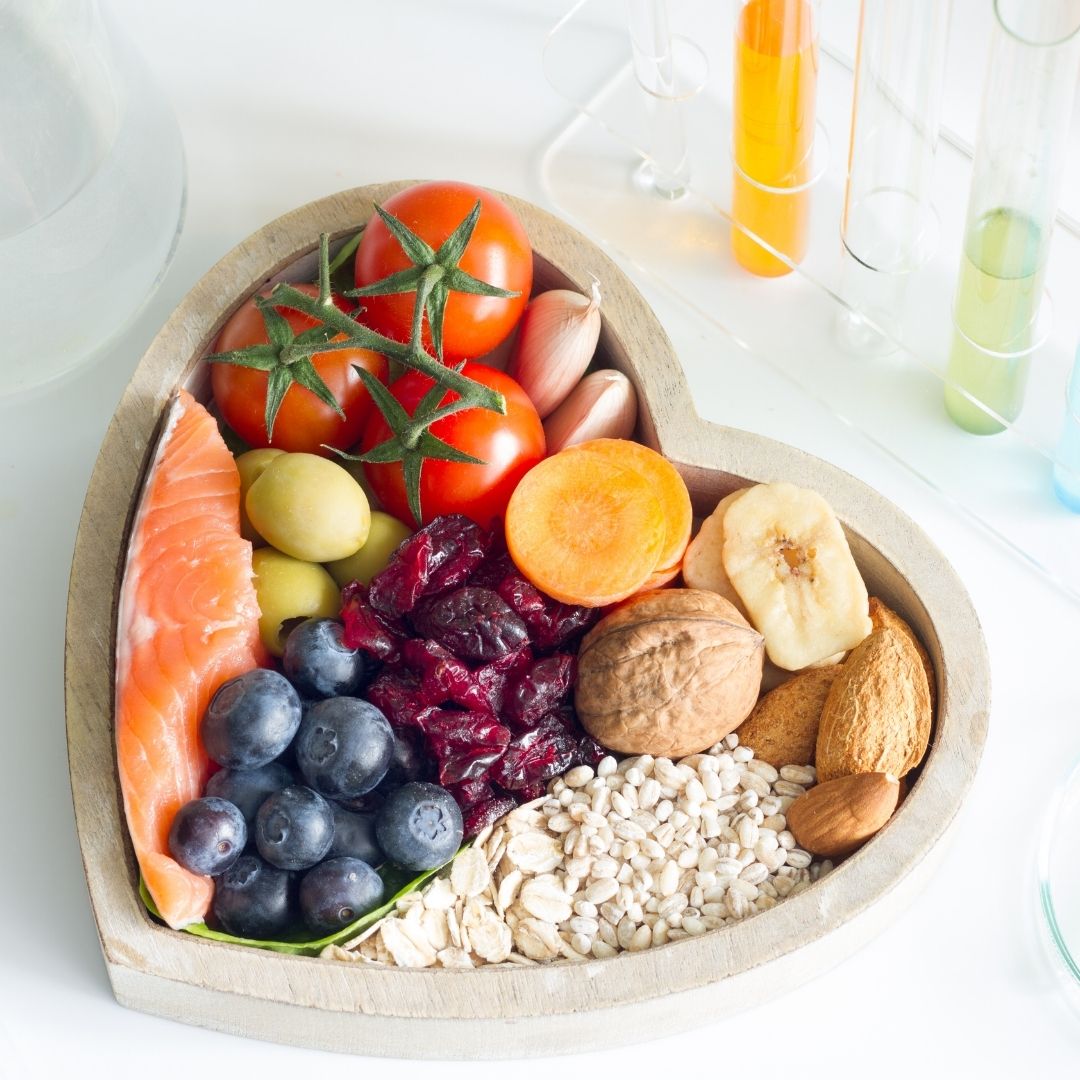
- Feed the collagen machinery. Collagen is a protein, so you need adequate protein, full stop, and specifically the amino acids glycine and proline, which are abundant in bone broth, slow-cooked meats and collagen peptides (code LIEBLING for discount). Vitamin C is also a non-negotiable cofactor in collagen synthesis. Think citrus, berries, peppers, fresh herbs and leafy greens. Zinc and copper are cofactors too, and we get these from a colourful, varied diet.
- Protect what you build. Blood sugar spikes drive a process called glycation that stiffens and damages collagen. UV exposure is the single largest driver of skin ageing. Balancing your meals to avoid glucose rollercoasters, and wearing SPF every single morning, will do more for your skin long-term than any gadget. Find my face SPF favourites here.
- Mind the antioxidants and fats. Colourful plants deliver polyphenols that buffer collagen against oxidative damage, and omega-3 fats from small oily fish, and a great quality supplement (fish based, or vegan code LIEBLING for discount) support the skin's lipid barrier and calm inflammation. A leaky, inflamed barrier undermines everything you're doing on top.
- Don't forget vitamin D. It’s involved skin cell turnover and repair, and most of us in the UK are running low for half the year. Worth testing and supporting through winter. I use Bare Biology’s Beam & Balance Vit D3/K2 or Vilgain D3/K2 (code LIEBLING for discount).
- Sleep and stress are skincare. Most of your skin's repair happens overnight under the influence of growth hormone, so chronic short sleep directly limits the very regeneration the ZIIP is trying to encourage. And chronically elevated cortisol actively breaks collagen down, which is the biochemical reason stressed skin looks dull and slack. Your three-minute morning ritual and a proper wind-down at night are working on the same problem from two directions.
A note on safety: microcurrent is well tolerated by most people, but it isn't for everyone. Avoid it during pregnancy, and if you have a pacemaker or other implanted electrical device, epilepsy, or active cancer, check with your doctor first. Don't use it over broken or irritated skin. As ever, this is general wellbeing information, not personalised medical advice

.jpg)
.jpg)
.jpg)
.jpg)
.jpg)
.png)



.jpg)
.png)


.jpg)
.jpg)
.jpg)
.jpg)
.jpg)
.jpg)
.jpg)
.jpg)
.jpg)

.jpg)
.jpg)
.jpg)
.jpg)
.png)
.png)
.png)

.png)
.png)
.png)
.png)


